
Remote Jobs for Beginners: Where to Start in 2026
Remote jobs you can get with little or no experience, what they pay, and a step-by-step plan to land your first one without falling for scams.
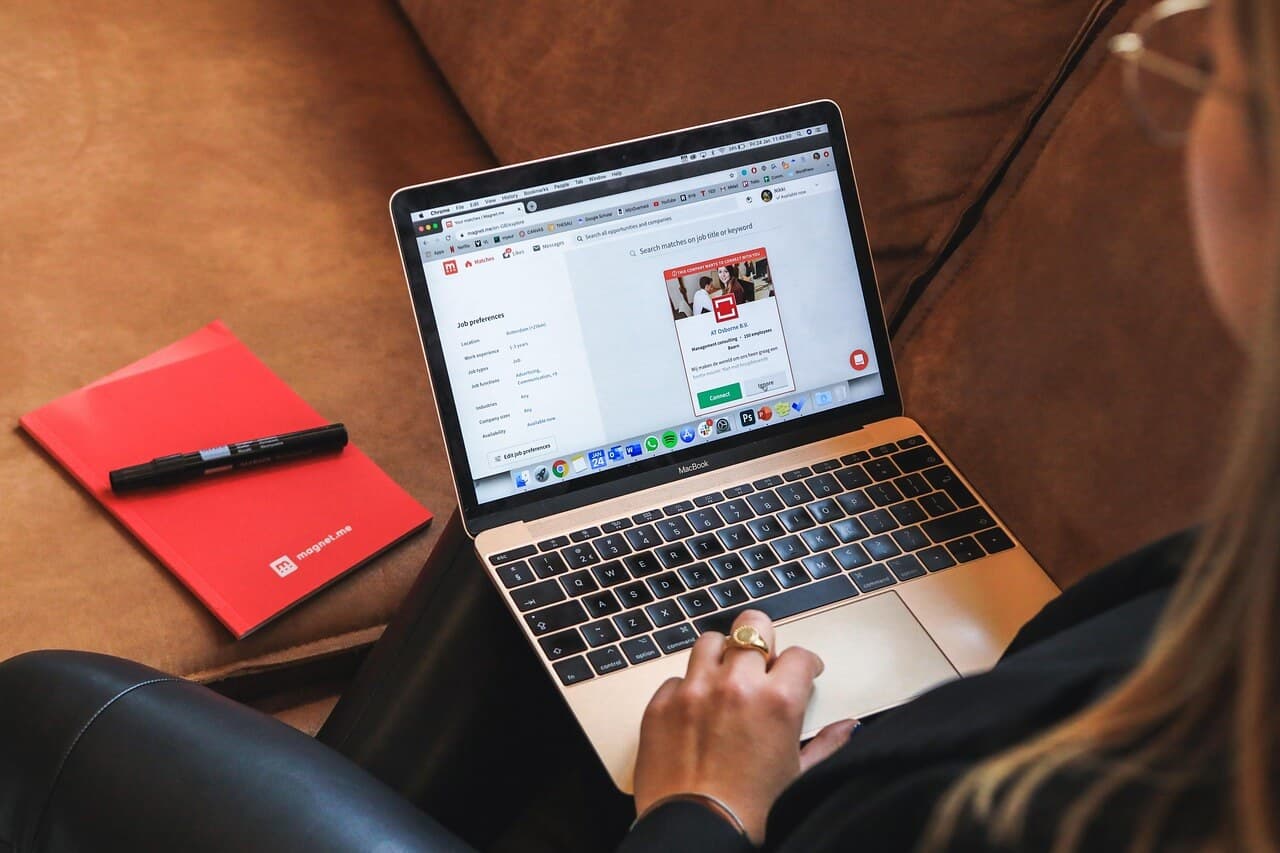
Every remote job seems to want three years of remote experience. So how do you get the first one?
Here's the honest picture: entry-level remote jobs exist, but they're a small share of the market. That's not a reason to give up. It means you need to aim at the right jobs and apply in the right way.
The short version
- Entry-level roles are only about 6% of remote job postings, according to FlexJobs' second-quarter 2026 data. Competition is real.
- The most beginner-friendly remote jobs are customer support, technical support, virtual assistant, data and admin, and content roles.
- Many beginner jobs pay less than the median and some are shrinking, so treat your first remote job as a stepping stone.
- You can build "remote experience" before your first remote job, through freelancing, volunteering and projects.
- Real employers never ask you to pay to get hired.
How hard is it to get a remote job with no experience?
Harder than an office job, but far from impossible. Two recent data points:
- In FlexJobs' second-quarter 2026 Remote Work Economy Index, 65% of remote postings were for experienced workers, 19% for managers, 10% for senior managers and 6% for entry-level roles.
- Robert Half's analysis of U.S. job postings in the second quarter of 2026 found just 2% of entry-level postings were fully remote, compared with 4% of senior ones.
Companies prefer experienced people for remote roles because they need less supervision. Your job as a beginner is to show you won't need much, either.
For more on the overall market, read is it hard to get a remote job?
The best remote jobs for beginners
| Job | U.S. median pay (May 2025) | Outlook to 2035 | Why it's beginner-friendly |
|---|---|---|---|
| Customer service representative | $44,770 | -5% | Training on the job, no degree usually needed |
| Computer user support specialist | $61,860 | -3% (group) | Entry certifications can replace experience |
| Medical records specialist | $51,140 | 8% | Short certificate programs, growing field |
| Bookkeeping clerk | $50,670 | -6% | Learnable with courses and practice |
| Interpreter or translator | $60,170 | 2% | Fluency in two languages is the main requirement |
| Writer or content creator | $76,910 (writers and authors) | 0% | A portfolio matters more than a degree |
Sources: BLS Occupational Outlook Handbook pages for customer service representatives, computer support specialists, medical records specialists, bookkeeping clerks, interpreters and translators and writers and authors. Figures are for all U.S. workers in each job, remote or not.
A note on the outlook column: several beginner-friendly jobs are expected to shrink, partly because of automation. They're still hiring today, and they're still good first steps. Just plan to build skills that take you further.
Customer support
Answering customer questions by email, chat or phone for software companies, online stores and services. It's the classic first remote job, since companies train you on their product and tools.
What helps: clear, friendly writing, patience and any experience with customers, including retail or hospitality. See remote customer support jobs.
Technical support
Helping people fix problems with software, accounts or devices. It's a common way into a tech career, leading to IT, DevOps or security later.
What helps: an entry-level IT certification and being the person friends call when their laptop breaks.
Virtual assistant and admin
Managing calendars, email, documents and small projects for busy founders or teams. Often freelance or part-time at first.
What helps: organization, reliability and comfort with Google Workspace or Microsoft 365.
Content writing and social media
Writing blog posts, newsletters, product descriptions or social posts. Many writers start freelance and build up to full-time roles.
What helps: three or four published samples, even on your own blog or LinkedIn.
Translation
If you're fluent in two languages, translation and localization work is often remote. Specializing in a field like legal, medical or software content can raise your rates.
Junior tech roles
Junior developer, QA tester and data analyst roles do exist remotely, but they're competitive. A strong portfolio of projects is essential. See remote developer jobs.
How to build remote experience before your first remote job
Employers want proof that you can work without supervision. You can create that proof:
- Freelance on the side. A few small projects for real clients count as remote work.
- Volunteer remotely. Nonprofits and open source projects need writers, designers, developers and organizers.
- Work remotely in your current job. Ask to handle a project with another office, or to work from home one day a week.
- Take an online course with a deadline, and finish a project you can show.
- Learn the tools. Slack, Zoom, Google Workspace, Notion, Trello or Asana. Many have free plans.
Then put it on your resume. Our guide on writing a remote job resume shows how to turn this into strong bullet points.
A simple plan to land your first remote job
- Week 1: pick one job type from the table above. Don't apply to everything.
- Week 2: update your resume and LinkedIn for that job. Add a short portfolio if it fits.
- Weeks 3 to 6: apply to 5 to 10 matching jobs a week, each with a tailored cover letter.
- Every week: follow up on applications from the week before, and prepare for common remote interview questions.
Check the location on every listing before you apply. On Work In Slippers, each job shows Anywhere in the World or the countries or regions it's open to, and you can browse jobs open to any country.
How to avoid remote job scams
Scammers target beginners because they're eager and don't yet know what's normal. Walk away if:
- You're asked to pay for training, equipment or a "starter kit."
- You're hired without an interview, or only over text chat.
- You're asked for your bank details or ID before you have a written offer.
- You're sent a check to deposit and asked to send some money back.
- The pay is far above what the table above suggests, for very little work.
- The company has no website or the email comes from a free address.
Every job on Work In Slippers is reviewed before it's published, but it's always worth checking the company's own site before you share personal details.
Quick answers
What is the easiest remote job to get with no experience? Customer support is usually the most accessible. Companies train you on their product, and many roles don't require a degree.
Can I work remotely with no degree? Yes. Customer support, virtual assistant, content writing, sales development and many tech roles hire based on skills rather than degrees.
How much do beginner remote jobs pay? It varies by job and country. In the U.S., median pay for customer service representatives was $44,770 in May 2025, according to BLS. Pay is often lower at first and rises with experience.
Are entry-level remote jobs real? Yes, but they're less common than experienced roles, about 6% of remote postings in FlexJobs' second-quarter 2026 data. Be extra careful of scams, which often pretend to be easy beginner jobs.
How long does it take to get a first remote job? For a focused search, a few months is common. Building some freelance or volunteer experience first often shortens it.
The bottom line
Your first remote job is the hardest one to get. Aim at beginner-friendly roles, build a little proof of remote work and apply in a focused way. Once you have one remote job on your resume, the next one gets much easier.
Want the bigger picture? Read our guide to the best remote jobs. Then browse the latest remote jobs and subscribe to our newsletter below for new roles every week.